

.CNhas5IL_ZqBJiz.webp)






Integrating MarTech with AR and Mixed Reality Experiences

Marketing technology and immersive experiences operate in separate lanes for most organizations. AR, VR, and mixed reality deliver memorable brand moments. MarTech delivers measurement and automation. Connecting these systems creates a framework where creative impact meets business accountability.

The MarTech-AR Integration Challenge
Most marketing teams manage spatial experiences separately from their core technology stack. AR activations run through specialized agencies. Mixed reality installations exist as standalone projects. Campaign data lives in fragmented silos.
The disconnect shows up in three areas:
Content production. Assets for mobile AR, projection mapping, and holographic displays require separate workflows. Teams duplicate efforts across channels.
Performance tracking. Immersive experiences generate engagement but lack direct connection to CRM, CDP, or marketing automation platforms.
Campaign coordination. Physical installations and digital touchpoints operate independently. Unified brand experiences remain difficult to execute.
This separation limits scale. It prevents accurate attribution. It increases production costs and extends time-to-market.
Unified Content Architecture
A single content layer solves the fragmentation problem. Build a headless CMS that supports both 2D and 3D assets. Structure it to publish formatted content across mobile apps, web platforms, projection systems, and in-venue displays.
Core requirements:
Asset management. Centralized library for 3D models, textures, interaction triggers, and metadata.
Version control. Campaign-aligned releases with rollback capabilities.
Device optimization. Automated pipelines that adapt content for different hardware profiles.
This architecture reduces production cycles. It maintains brand consistency across physical and digital environments. Teams deploy once and distribute everywhere.
Production Workflow That Scales
Repeatable processes matter more than custom builds. Structure production into defined stages: concept validation, technical feasibility review, rapid 3D prototyping, simulated QA, and cross-platform deployment.
Each stage includes:
Stakeholder checkpoints with clear approval criteria. Technical reviews that confirm device compatibility and performance targets. Iterative testing in controlled environments before live deployment.
Modular asset libraries accelerate iteration. Pre-built components reduce design time. Standardized templates ensure consistent output quality. This workflow delivers predictable results across product launches, retail activations, and flagship events.
Technical Stack Components
Integration depends on API-first architecture and event-driven data flows. Connect MarTech platforms to immersive layers through standard interfaces.
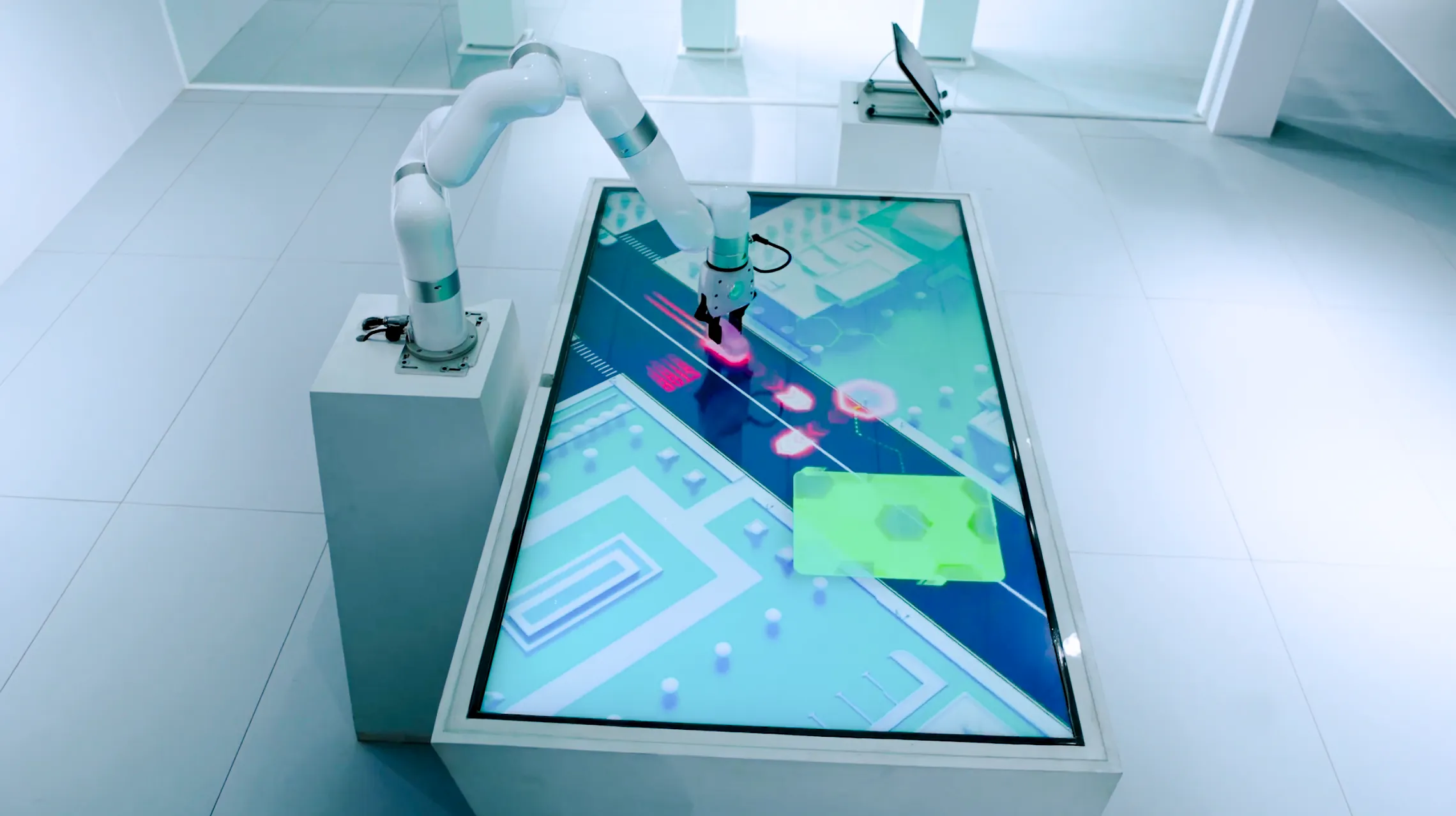
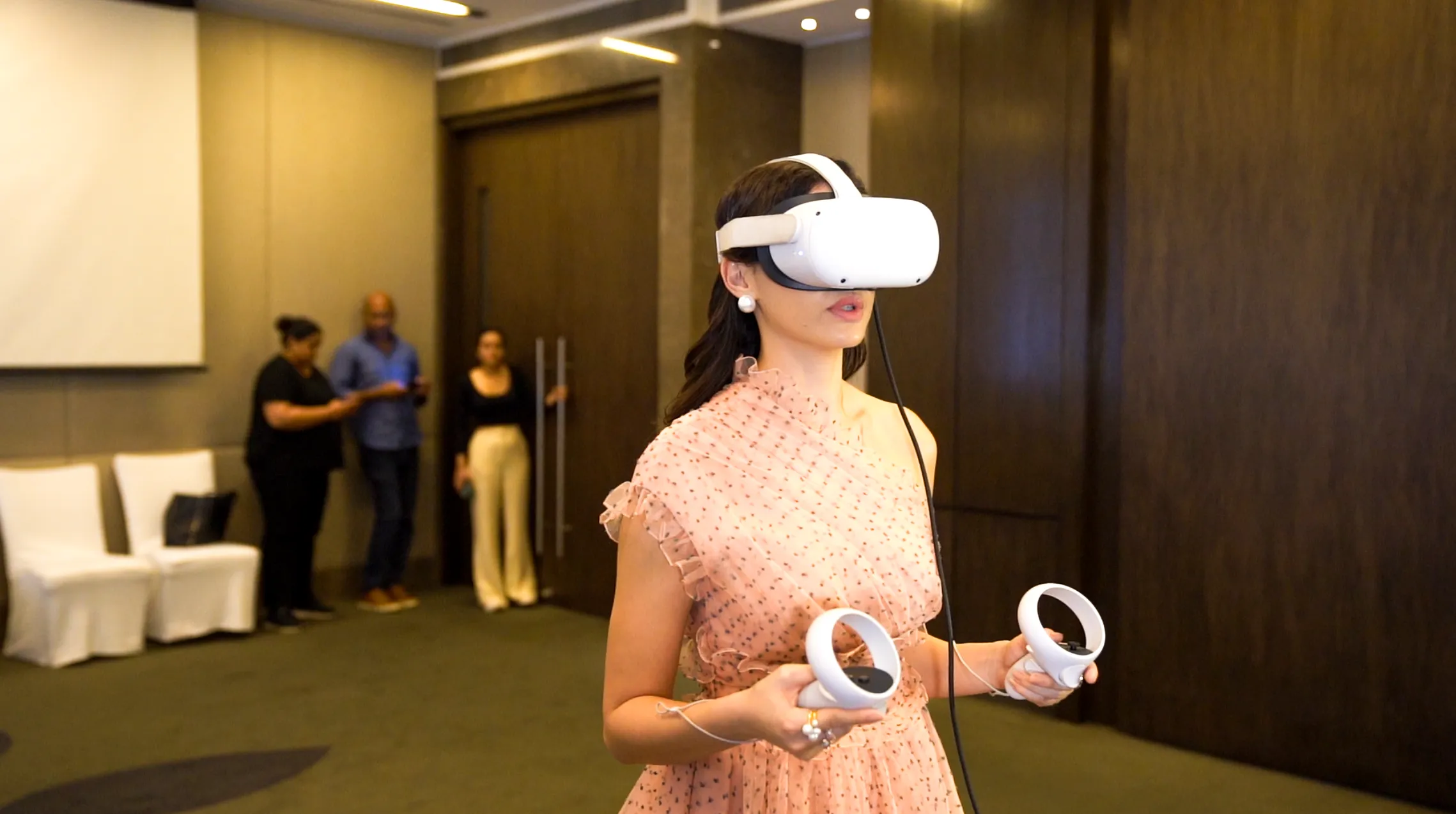
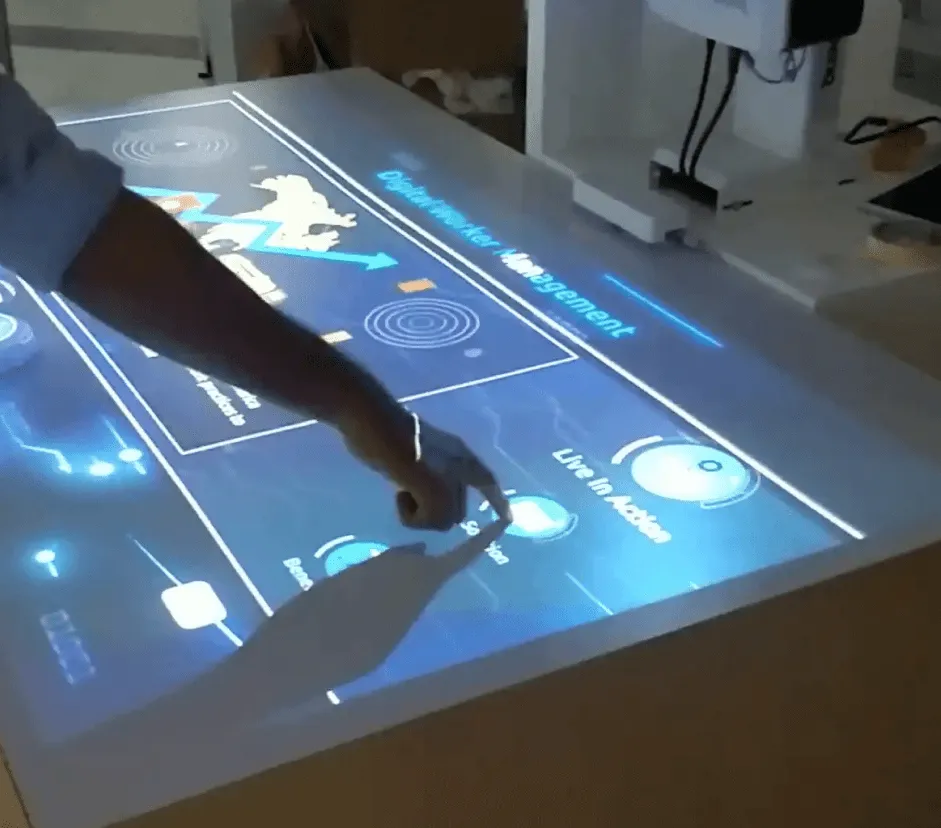
Experience layer. AR/VR applications, projection mapping engines, object recognition tables, interactive walls.
Content layer. Headless CMS with 3D asset support, localization capabilities, and metadata management.
Data layer. Customer data platform, analytics engine, audience segmentation tools.
Orchestration layer. API gateway, webhook infrastructure, real-time messaging protocols.
Best practice: instrument every user interaction with unique event identifiers. Map these events to marketing automation platforms. Enable targeted follow-up sequences and accurate cross-channel attribution.
Measurement Framework
Define business outcomes before deployment. Lead capture, product trial rates, retail conversion lifts, and engagement duration provide quantifiable metrics.
Track quantitative signals:
Interaction count per session. Conversion rates tied to specific activations. Incremental uplift for retargeting audiences. Session duration and return visit patterns.
Capture qualitative data:
Engagement heatmaps within experiences. User feedback linked to session identifiers. Behavioral patterns across device types.
Feed event-level data into your CDP. Apply deterministic matching to CRM records where consent permits. This reduces attribution ambiguity and supports precise audience segmentation.
Operational Requirements
Security and privacy controls require upfront design. Use consented data flows for personally identifiable information. Tokenize analytics identifiers while maintaining reconnection capability under appropriate legal basis.
Plan staged rollouts. Start with controlled audiences and limited device matrices. Validate performance metrics before scaling. Maintain operations documentation for hardware updates, network configurations, and firmware management.
Monitor critical incidents through lightweight dashboards. Surface usage spikes and performance degradation in real time. Define rollback procedures for interactive installations.
Application: Multi-Channel Launch Deployment
mobile platforms. Existing workflows couldn't support synchronized content delivery or unified analytics.
Ink In Caps designed a multi-channel experience layer with shared asset management, synchronized interaction triggers, and consolidated measurement infrastructure.
Implementation included:
Cross-platform content delivery from a single source. Real-time event capture across all touchpoints. Physical-digital identity mapping for post-activation nurture campaigns.
Results delivered:
Reduced time-to-market for campaign assets. Clear attribution for experiential marketing spend. Reusable framework for subsequent launches. Measurable improvements in lead quality and conversion rates.
Strategic Considerations for Marketing Leadership
Immersive experiences require integrated delivery teams. Creative, engineering, and data functions must operate as a unified group. Invest in common data models early. Prioritize reusable asset libraries over single-use productions. Account for long-term operational costs beyond initial development.
Procurement models need adjustment. Standard agency engagements don't accommodate the technical requirements and ongoing support that immersive platforms demand.
Implementation Checklist
Headless CMS with native 3D asset support. Standardized event schema for all interactions. API-first integration with CDP and marketing automation. Edge optimization for low-latency rendering. Consent-first data capture enabling personalization.
Making It Work
MarTech and mixed reality integration bridges creative execution and business measurement. It provides infrastructure that supports immersive brand storytelling while delivering traceable outcomes. For established brands managing product launches, flagship activations, and retail experiences, this framework offers a repeatable model that scales across channels and delivers measurable impact. Ink In Caps maps content architecture, technical integration, and measurement frameworks to existing MarTech stacks, building production-ready systems that connect immersive experiences with business results.
About the Author

SEO Executive
MORE FROM OUR CREATIVE MIND
 Get Everyone's Attention With These Amazing Experiences
 Is 3D Projection Mapping The Future Or The Present?
 About the Author
SEO Executive
MORE FROM OUR CREATIVE MIND
Get Everyone's Attention With These Amazing Experiences Is 3D Projection Mapping The Future Or The Present?  Amazon Shipping Interactive 3‑Layer Game (Sambhav 2025)
 Pampers Premium Launch Event:
 Contact Us Now: